How to Prepare for the Wardogs Season 2 Update and Its Economy Rework
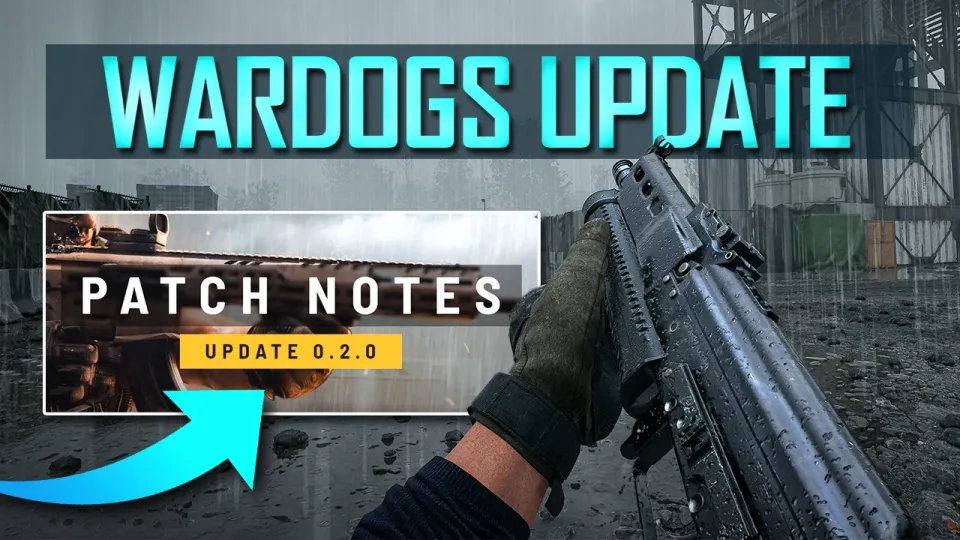
Video: WARDOGS New Season 2 Update ► EVERYTHING You Need To Know
Need articles like this for your video? They help promote it on YouTube and Google — order them in the Telegram bot @sat_sit_bot. The bot writes and publishes the articles itself (with your YouTube video embedded) on popular topical websites (no ads). Free trial — 50 articles.
· based on the channel GhostGaming
The Wardogs Season 2 update reworks the money side of the game more than any single weapon: logistics deliveries pay more per pallet but demand more trips, vehicle prices and repairs climb, and armor, optics and anti-air balance shift under pilots and snipers. To prepare, read the official patch notes, recalculate which roles still earn per hour, and rebuild your loadouts around the new armor and damage values before you spend money on a vehicle.
A full walkthrough of every change, with the developer's numbers on screen, is available in the GhostGaming breakdown, and the channel's live Twitch stream is where the practical testing of the new economy happens first.
What the Wardogs Season 2 update changes at a glance
Season 2 touches four systems at once: logistics and FOB supply, vehicle purchase and repair costs, small-arms and armor damage values, and the optics unlock tree. The headline is money. Supply drop-offs now scale with delivery streaks, so a pallet dropped at a 10-streak pays $1,250 base plus a $2,500 bonus when delivered outside the combat zone, and a single successful run can push a driver past 100k in a match on one life. At the same time, the cost of doing business rises: a minigun Little Bird fully loaded with three flares runs around $14,000, and every mistake in the air now eats into a margin that was already thin. On the infantry side, the .50 cal damage nerf of 16% means tier 2 armor can survive a shot from the end-game sniper rifle, which changes how sniper zones and head-and-neck hitboxes are treated at range. Optics moved too: simple low-zoom red dots now sit deep in the unlock tree, so new players grind longer for a clean sight.
How to make money in logistics after the supply rework
The reworked streak bonuses make long, uninterrupted delivery runs the most profitable activity in the game, and the way to exploit them is to plan a loop instead of reacting to shortages. Work through these steps:
- Map a route that stays outside the combat zone for as much of the trip as possible, because the bonus applies to deliveries made there.
- Chain deliveries without leaving the vehicle or breaking the streak, since the multiplier is what turns a modest base rate into a five-figure payout.
- Prioritize pallets over passengers unless a round-trip bonus is confirmed to survive exiting the vehicle, because losing the streak on a drop-off wipes the multiplier.
- Skip the emergency URAL run to a dry FOB unless the trip itself fits your loop; short reactive runs now pay poorly relative to the time spent.
- Track your earnings per hour, not per delivery, since the higher pay per pallet comes with more trips required to match the old income.
The trade-off is real: driving a truck for ninety minutes without seeing action is still the least popular job in the game, and the new numbers reward patience over quick reactions. Drivers who treat logistics as a route-planning puzzle will out-earn drivers who treat it as a taxi service.
How vehicle prices and repairs affect helicopter pilots
Flying got more expensive and more dangerous in the same patch, so pilots need to fly with a budget in mind. The minigun Little Bird at roughly $14,000 with three flares only pays off on kill streaks, and minimizing flare use is now a core skill rather than a nice extra. On top of that, new anti-air vehicles, including the Gepard, plus the Browning turret, raise the odds that a low pass ends in a wreck. The practical response is to fly higher and shorter, take fewer risky gun runs over contested towers, and only buy the minigun variant when you expect to convert the extra firepower into confirmed kills. Pilots who already accepted the risk of losing thousands on a single mistake should expect that math to get worse before it gets better, at least until the anti-air meta settles.
How armor, damage and optics changed for infantry
The 16% reduction to .50 cal damage is the most consequential infantry change, because it removes the guaranteed one-shot kill on tier 2 armor from the end-game sniper rifle. Snipers now need to aim for the head and neck hitbox rather than the torso, and targets in heavier armor survive more often at range. On the unlock side, the minimalistic low-zoom optics sit late in the progression, so a plain uncluttered red dot is a long-term goal rather than a starting option. The SKS Bipod moved from $800 to $810, a change small enough to be noise next to the rest of the economy. Players who rely on variable zoom scopes should check their keybinds after the patch, since scope switching has been a recurring complaint.
Common player concerns about the Season 2 economy
The loudest worry around the patch is that logistics and FOB building become thankless work, and the numbers support part of that fear: more trips for similar money, and less reason to react to a FOB running dry. FOB construction also takes more effort per wall, so a base that once went up with a handful of supply runs now needs several times the deliveries, and if no one finds the work lucrative, bases simply stop appearing. The counter-argument is that infantry play now earns comparatively better, which pulls the whole game closer to a shooter economy where fighting pays. Pilots face the mirror image of the same problem: more expensive aircraft, stronger anti-air, and a repair bill that punishes any mistake. The honest answer for both groups is to test the new payouts in a live match before deciding that a role is dead, because the streak numbers shown outside the combat zone initially looked far worse than the corrected figures in the patch notes.
Where to find the patch notes and community resources
The developer's full patch notes are the only authoritative source for exact values, and every other summary is a reading of them. The official patch notes are published on Steam: https://store.steampowered.com/news/app/1867240/view/670630562731396445. For live gameplay and economy testing, the channel streams at http://www.twitch.tv/ghostgaminggg, posts updates at https://twitter.com/GhostGamingG, runs a community at https://discord.gg/MzkAVCy, and shares clips at https://www.tiktok.com/@ghostgaming_battlefield.
The bottom line on the Wardogs Season 2 update
Season 2 shifts Wardogs toward an economy where infantry combat pays best and every support role has to be played efficiently to stay profitable. Logistics drivers who chain deliveries outside the combat zone can still clear six figures in a match, but they will drive more and fight less to do it. Pilots should treat aircraft as an investment with a repair bill, and snipers should retrain their aim for the head and neck. GhostGaming's full breakdown covers every number in the patch, and the channel's Twitch stream is the place to watch the new meta play out live before you commit your next loadout.
Key takeaways
- Season 2 raises logistics payouts: a pallet delivered at a 10-streak is $1,250 base plus a $2,500 bonus outside the combat zone.
- The .50 cal damage nerf of 16% lets tier 2 armor survive a hit from the end-game sniper rifle.
- The SKS Bipod price moved from $800 to $810, while a fully loaded minigun Little Bird costs about $14,000 with three flares.
- New anti-air vehicles, including the Gepard, plus the Browning turret, make helicopter play more expensive and riskier.
- Low-zoom minimal optics sit deep in the unlock tree, so a plain red dot still takes a long grind.
Questions & answers
Is logistics still worth doing in Wardogs Season 2?
Yes, but only if you plan routes. A pallet delivered at a 10-streak pays $1,250 base plus a $2,500 bonus outside the combat zone, which can exceed 100k in a single life. Short reactive URAL runs to save a dry FOB pay much less per hour, so the role rewards long uninterrupted loops rather than quick responses.
Why did the minigun Little Bird get more expensive?
The fully loaded minigun Little Bird costs around $14,000 with three flares, and the patch also adds stronger anti-air options such as the Gepard and the Browning turret. The result is that the aircraft only pays off on sustained kill streaks, and any mistake costs thousands with little chance to recoup it.
Does the .50 cal nerf change sniper fights?
A 16% reduction in .50 cal damage means tier 2 armor can survive a hit from the end-game sniper rifle. Snipers now need to target the head and neck hitbox instead of the torso, which raises the skill floor for long-range kills and makes heavy armor more valuable.
Why are simple red dot optics locked so late?
The minimalistic low-zoom optics sit deep in the unlock progression, so players who want an uncluttered sight have to grind for it. Combined with the economy changes, this makes early matches harder for new players, and variable zoom scope keybinds remain a separate complaint in the community.
Source: WARDOGS New Season 2 Update ► EVERYTHING You Need To Know · Markdown version